Introduction
Introduction
Climate Change Is Not Experienced Equally
Climate change is often discussed as a global crisis affecting “everyone.” While this is true in a broad sense, its impacts are unevenly distributed across communities, regions and social groups. In Canada, climate change looks and feels very different depending on the region: whether you live in a large city, a rural community, a remote northern region, or an Indigenous territory.
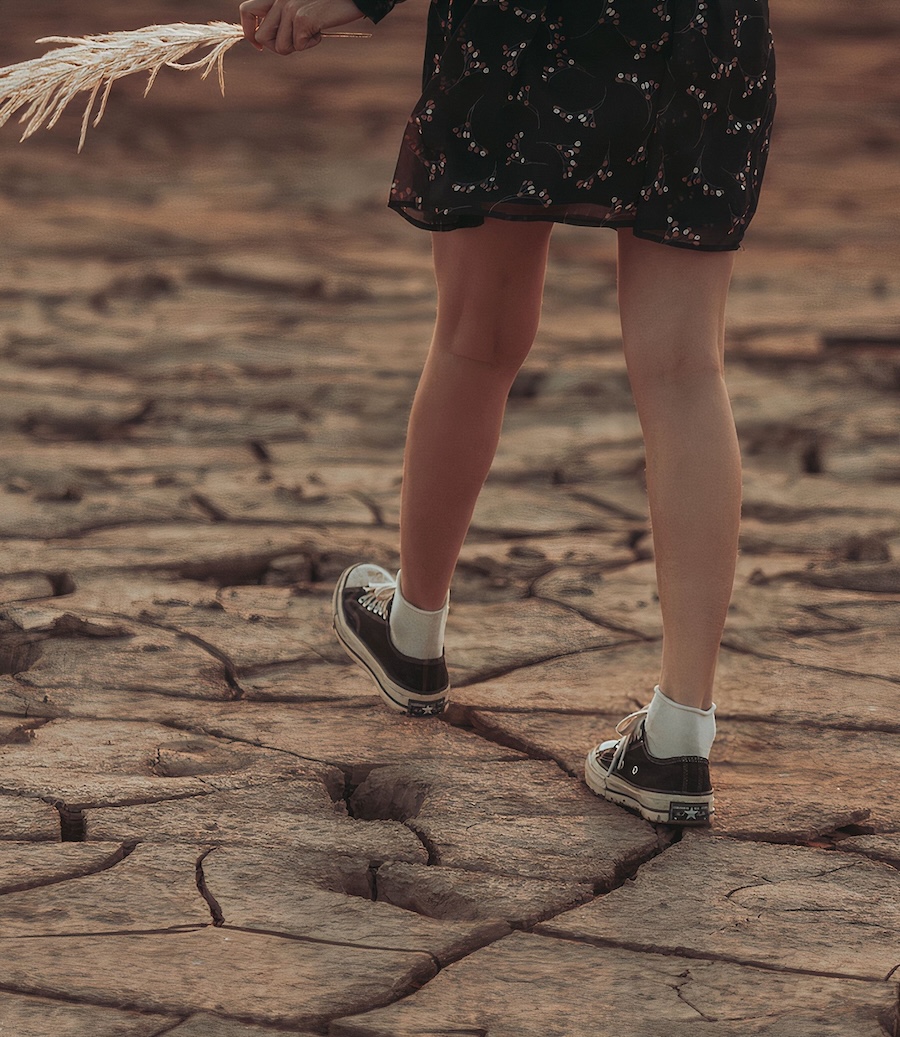
How climate change is experienced can also depend on how much income you have, whether you have access to political power, your health status, and your cultural relationship to land. For many people, the impact of climate change is something that shows up in their physical and mental health, homes, work, and relationships. These experiences are further shaped by long-standing systems of inequality, including colonialism, racism, economic exclusion, and environmental degradation.
Because of this, climate change does not affect everyone equally. Communities that already face social, economic, and political barriers are often exposed to greater risks and have fewer resources to respond, adapt, and recover. These disproportionately impacted communities include, but are not limited to:
- Indigenous, Black, and other racialized communities
- Migrants and refugees and people with limited English proficiency
- Low-income communities, renters, and people experiencing homelessness
- People with disabilities and people with chronic health conditions
- 2SLGBTQIA+ communities, women and gender-diverse people
- Children, elders, and seniors
- People whose work is climate-exposed (e.g., outdoor and precarious workers)
This list is not exhaustive. Each community experiences climate impacts differently, and individuals often hold multiple, intersecting identities. This intersectionality can intensify vulnerability while also shaping unique forms of resilience and knowledge.
 Climate justice asks us to pay attention not only to what happens during climate events, but who is most affected and why.
Sometimes climate impacts are immediate and visible, like extreme heat or wildfire smoke. Other times, they unfold more slowly, shaping access to housing, employment, education, and community stability. On the next few pages, we'll go through several examples of direct impacts, indirect impacts and how these can intersect.