Pillar: Just Transition
Pillar: Just Transition
What is a just transition?
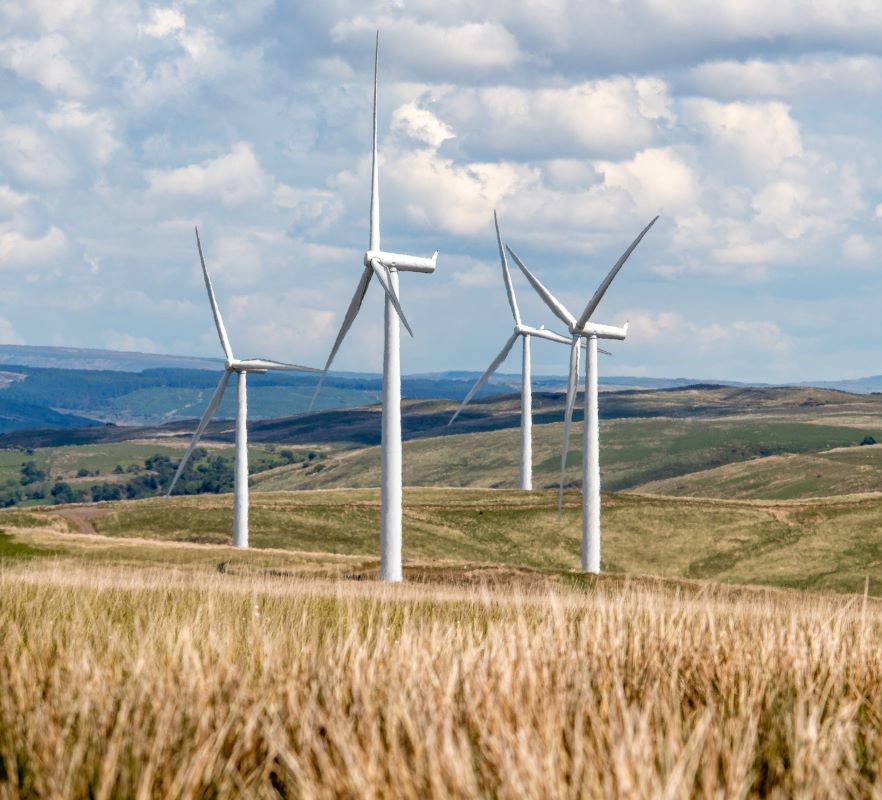 A just transition focuses on people’s livelihoods, dignity, and the ability to support their families as the world shifts to a low-carbon economy. As industries change and global demand moves away from fossil fuels and high-emission products, some sectors and regions will face economic disruption. Climate justice asks how this transition can happen in a way that protects workers, supports communities, and creates new opportunities.
This transition will affect many sectors. For example, oil and gas, steel, manufacturing, and transportation are all affected by global shifts toward cleaner technologies and lower emissions. This means that a just transition must include long-term economic planning, workforce development, and new job creation. This is often described as clean growth. This pillar is about ensuring the transition to a low-carbon future does not leave workers or communities behind.
Reducing Emissions
Countries and regions around the world have contributed differently to greenhouse gas emissions and have very different capacities to respond to the climate impacts.
Many countries in the Global South are working to meet basic human needs such as housing, healthcare, education, and reliable energy access, even as they face mounting climate pressures. At the same time, they are often asked by international tables like the United Nations to limit greenhouse gas emissions in ways that wealthier, historically high-emitting countries were not when they developed their own economies.
This raises important climate justice questions:
- Who should bear the greatest responsibility for reducing emissions globally?
- How can societies pursue a good life for their people without repeating harmful carbon pathways?
- What obligations do wealthy countries have to support low-carbon transitions, adaptation, and resilience in more vulnerable regions?
Climate justice argues that countries with greater historical responsibility and greater financial and technological capacity should not only lead rapid emissions reductions but also support others in adapting to climate impacts and transitioning to low-carbon, sustainable pathways.
 A just transition often includes:
Example: South Africa is leading a Just Energy Transition to shift from coal to renewable energy.
As you watch this short video, can you identify the steps being taken to ensure a just transition for all?
What to learn more?
Watch the short documentary (30mins) that shows some of the opportunities and challenges of this coal phase out project.
Let's move on to look at the next pillar.