Urban Canada
Urban Canada
Climate Change in Urban Canada
What do you already know?
Before you review the following information, take a moment to answer the following questions.
- What might be unique to an urban setting in how people experience climate change?
- Who might be the most vulnerable to climate change impacts in an urban setting?
In Canada, more than 80% of the population lives in urban centres, making cities and towns the primary places where most people experience daily life, work, housing, transportation, and many climate-related risks. In urban centres across Canada, the effects of climate change are often visible in ways that directly intersect with social and economic inequalities. These include:
Extreme heat and "urban heat islands", where built infrastructure and limited green space raise temperatures in dense neighbourhoods.

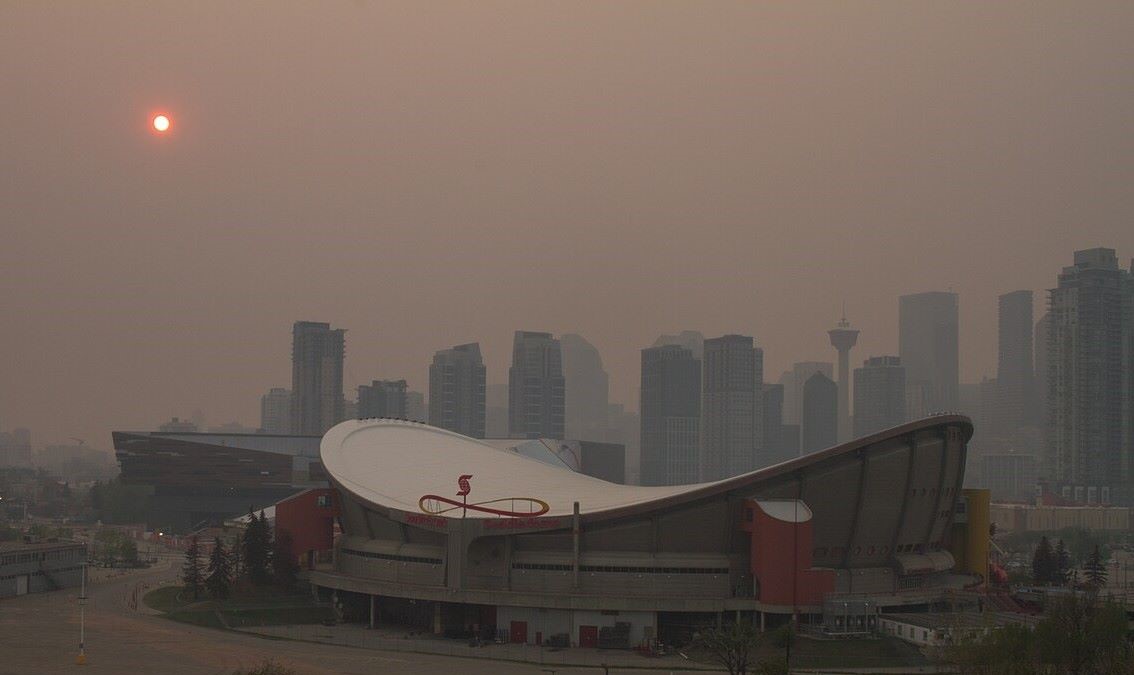
Poor air quality from wildfire smoke, which can linger across large metropolitan regions.

Flooding from atmospheric rivers that overwhelm storm water systems and disrupt transportation and housing.

Housing vulnerability, where climate events exacerbate existing challenges for people experiencing homelessness, low incomes, or housing instability.
Who is Exposed Most to Harm?
Low-income residents, seniors and elders, people with disabilities, and people without access to cooling, green space, or emergency resources are disproportionately exposed to these risks. Urban contexts make clear that climate change interacts with existing inequalities, shaping who bears risks and who can access protection.
Now that we've considered urban settings, what do you think might be unique about rural settings? Go to the next page to find out.