Working in Collaboration
Working in Collaboration
What kind of collaboration do we need?
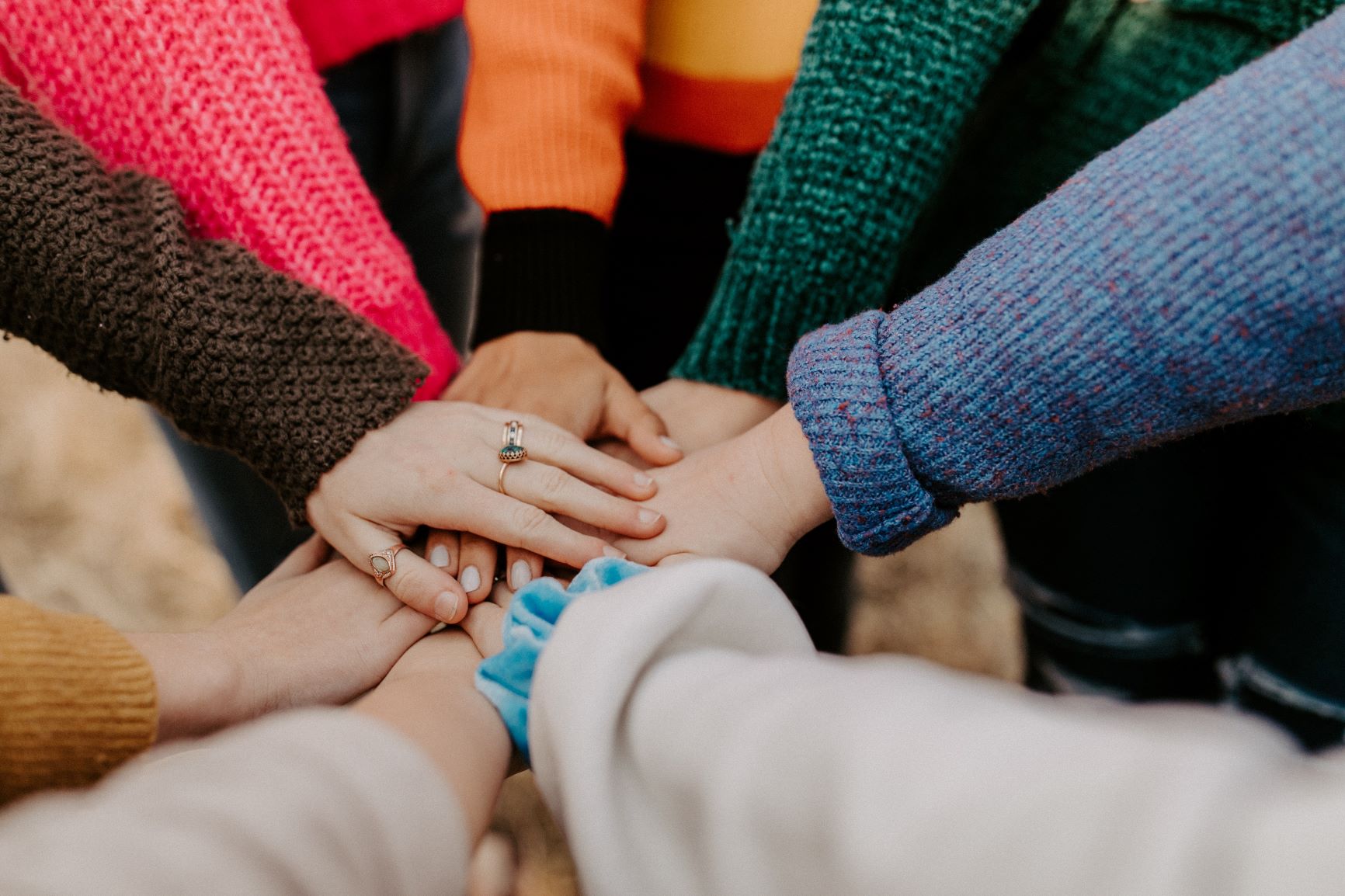
While climate action requires collaboration, climate justice insists that meaningful change (with fewer unintended consequences) is only possible when people work together with honesty, accountability, and care. Relationship-building is essential to this work.
Building relationships with people from different communities, provinces, and countries is essential. It helps us understand how climate change and our efforts at climate action are affecting others in different places and contexts. It also allows us to learn from the successes and challenges of various approaches to climate action from people around the world.
Climate
action requires collaboration
at all scales and sectors of society, from neighbours
working together to create more resilient communities and advocating to government, to Indigenous
communities sharing adaptation stories,
resources, and policy to organizations co-developing technological
innovations
and business stewardship
and responsibility networks.
And this relationship-building includes not only caring for and learning from each other, but also cultivating relationships with lands, waters, and the more-than-human world to learn how we might do things differently. Indigenous scientist and author Robin Wall Kimmerer talks about the act of picking berries as a gateway to falling in love with the natural world, and learning about reciprocity, gifts, and abundance.
Climate action can feel overwhelming if we think we have to do everything alone. But this is shared work - different people, in different roles, contributing in different ways. No one individual can solve these problems, just as no one individual caused these problems. These efforts reflect resilience not rooted in individual heroism, but in collective responsibility.
Let's move on to see how working together in intentional ways can also contribute to system transformation.