Introduction
Introduction
What is Climate Justice?
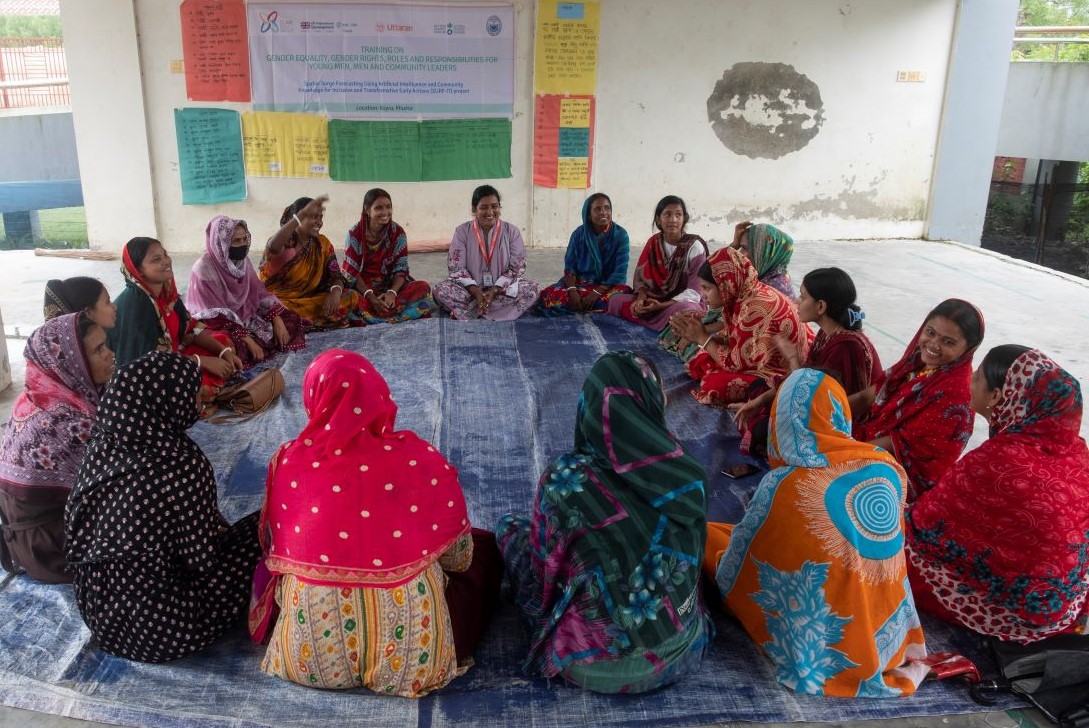 So far in this course, we've explored positionality, privilege and intersectionality, and how and why people from different communities are being more or less severely impacted by climate change. We've learned that this difference in vulnerability is often a due to factors shaped by history, power, racism and inequality. And we can now use the three dimensions of justice: recognitional, procedural, and distributive, as lenses to inform our decisions and actions.
We've also examined the complexity of climate mitigation and adaptation efforts and the possible unintended consequences of the most well-intentioned work. We know that authentic, caring relationships and transformative change are the keys to addressing our climate crisis.
Now, let's weave all these threads together to understand what climate justice is and what it looks like in practice.
Just and effective climate action must account for:
- Diverse community needs and priorities
- Historical and ongoing injustices
- Economic and political constraints
- Misinformation and distrust
- Uneven access to resources and decision-making
This means that pursuing climate solutions requires humility, relationship-building, and ongoing learning.
Rather than asking, “What is the best solution?”, climate justice encourages us to ask:
- Who is this solution for?
- Who decides?
- Who benefits?
- Who bears the cost?