Climate Justice
Résumé de section
-
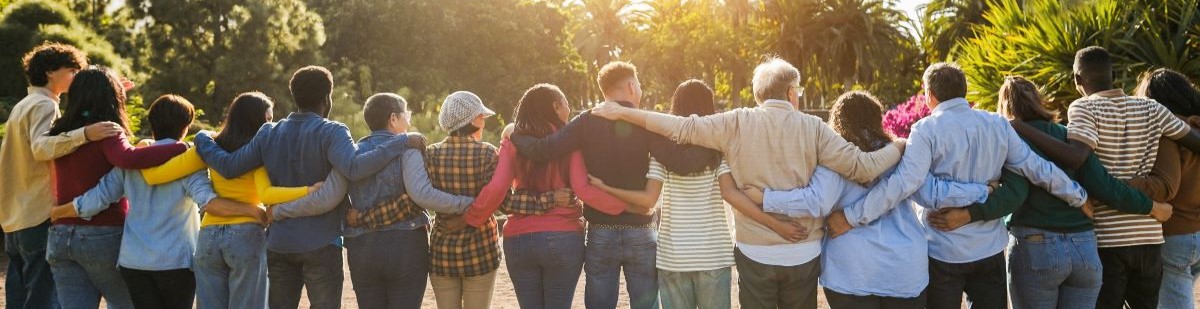
 Photo by Yan Krukau
Welcome! We're glad you're here.
You are interested in climate justice, and that is an important step towards creating a fairer and more inclusive world as we take action around climate work. This course offers an introduction to the topic of climate justice and is intended as a “teaser” to help you begin your journey. There are a lot more resources, themes, and issues out there to explore, and we encourage you to continue to pursue your learning on this topic.
 It will take 6-8 hours to complete this course. However, if you'd like to extend your learning, we've added "learn more" links to extra resources throughout.
 You'll complete all activities online at your own pace. There are no online classes to attend.
Before you start, please look through the pages (links) below and take the short self-assessment to see if this is the right course for you. Then, begin with Unit 1: Climate Justice and You.
-
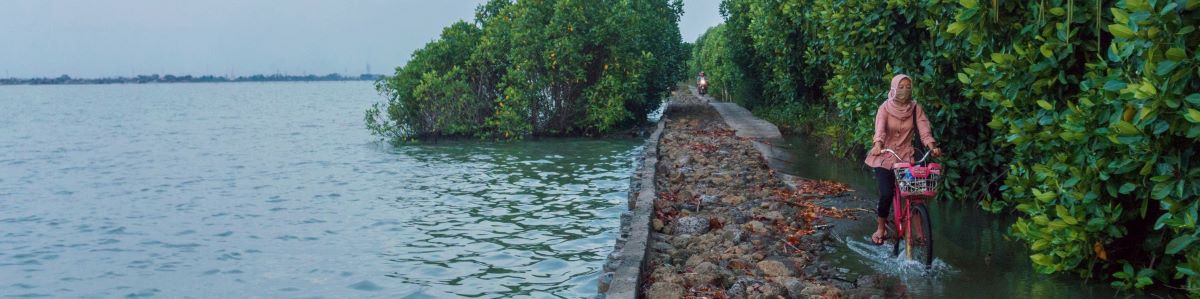 Photograph by Dhana Kencana / Climate Visuals
What does climate justice have to do with me?
In this section, we will explore how identity, power, positionality, and place shape how we understand climate change and climate justice. Climate change is often talked about as an environmental or technical issue, but it is also deeply connected to who we are, where we live, and the experiences that shape how we see the world. Understanding your own positionality is an important first step in climate justice work, because it helps you understand how you relate to climate impacts, climate decisions, and other people’s experiences.
Learning Objective
After completing this unit, you will be able to explain how identity, power, positionality, place, and worldview shape human relationships with climate, land, and community.
 Ready to jump in? Click on 'Introduction' below.
-
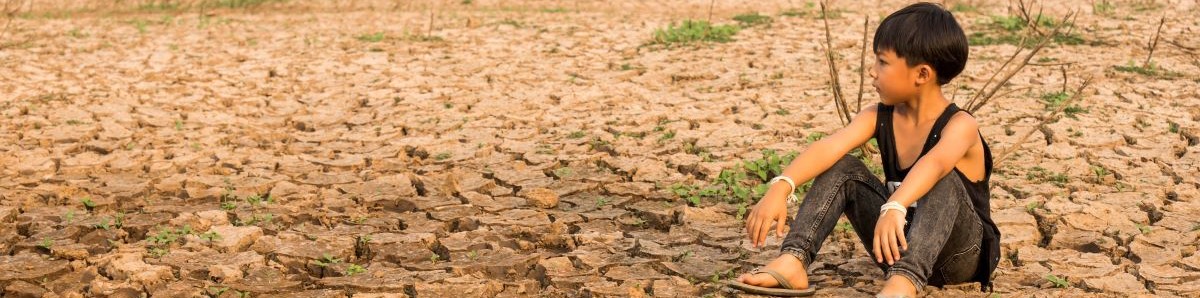
What are the impacts of climate change so unevenly distributed?
In this unit, we will explore how climate change affects people differently across Canada and around the world. Climate change is often described as a global problem that affects everyone, but the reality is that some communities are affected much more than others. These differences are shaped by income, housing, health, geography, infrastructure, and historical and ongoing inequalities. Understanding these uneven impacts is essential to understanding why climate change is also a social and justice issue.
Learning Objective
After completing this unit, you will be able to describe how climate impacts are unevenly distributed across different populations in Canada and globally.
 Click on 'Introduction' below to get started.
-
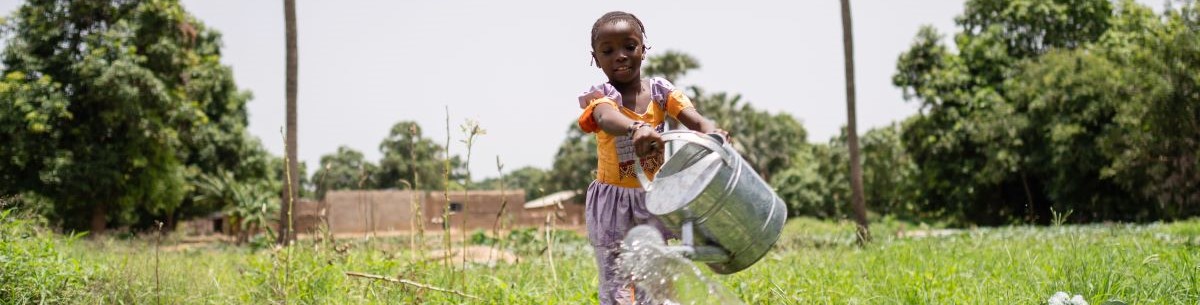
How do we bring justice into climate action?
In the previous unit, we explored the impacts of climate change and how those impacts disproportionately affect vulnerable populations and the communities least responsible. There can also be inequity in who gets to participate in shaping climate change responses and who benefits (or is harmed) from the proposed solutions. In this unit, we’ll learn three dimensions of social justice that can be used as a framework to bring more equity into our climate action work.
Learning Objectives
After completing this unit, you will be able to define three dimensions of justice and apply justice principles to evaluate climate actions.
 Click on 'Introduction' below to begin.
-
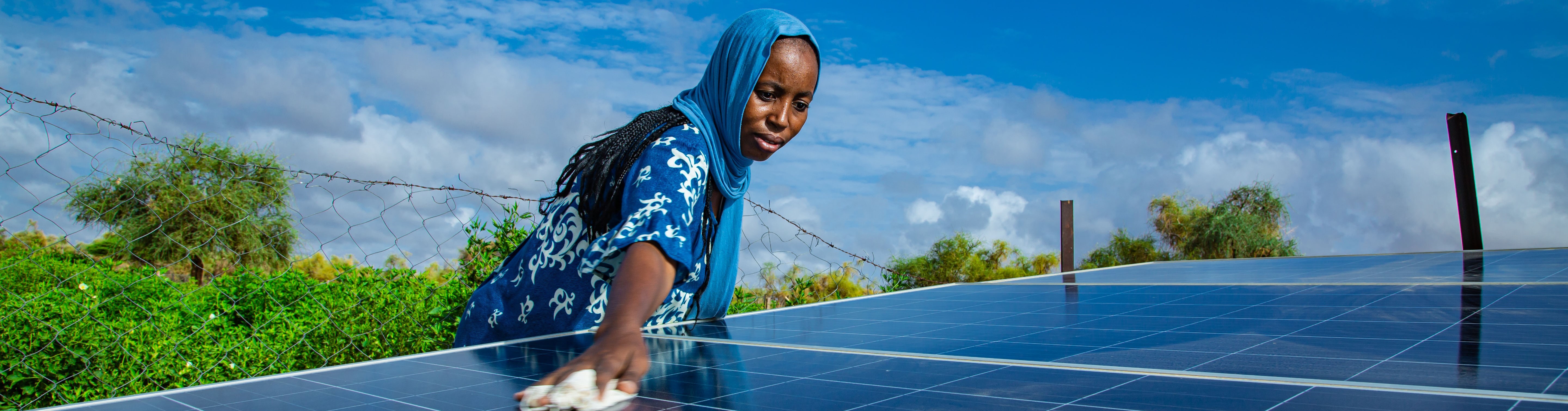
In our last unit, we explored dimensions of justice that need to be considered to move ahead with climate action in a just way. Now let's shift to considering why climate action is so complex and why this work needs to be place-based, relational, adaptive and transformative.
Learning Objective
After completing this unit, you will be able to identify reasons why effective climate work requires relational, place-based, and adaptive approaches.
 Ready to dive in? Click on 'Introduction' below.
-
What are the pillars of climate justice?
In this section, we will explore key pillars of climate justice and what climate justice work looks like in practice. While earlier sections focused on understanding climate justice, this section focuses on action. The pillars provide different ways of approaching climate work — from supporting workers and communities through economic change, to strengthening community resilience, to supporting Indigenous leadership and protecting ecosystems. Together, these pillars show that climate justice is not one single solution, but many different kinds of work happening at the same time.
Learning Objective
After completing this unit, you will be able to identify key pillars of climate justice work and understand how they can guide more equitable, effective, and community-centred climate action. Click on 'Introduction' below to begin.
-
In this final section, we will look at the importance of building trusted avenues of shared learning to help address misinformation. We explore some pathways, resources, and ideas to help you continue your learning journey in ways that are meaningful and sustainable.
Learning Objective
After completing this unit, you'll be able to connect to pathways for continued learning. -
Climate justice is not something that can be fully understood in one course. It is ongoing work that involves learning, unlearning, building relationships, and paying attention to the places and communities we are part of.
Many people come to climate justice through their work, their community, their culture, or their personal experiences. There is no single path into this work, and no single role to play. What matters is staying engaged, continuing to learn, and finding ways to contribute that are meaningful and sustainable for you. It is about being curious.
Some people continue learning through formal education. Others join community groups, learn from local Indigenous Nations and local organizations, or spend time on the land and deepen their understanding through lived experience and relationships. There are also many valuable and insightful written and oral resources online and in podcasts, books, and articles. All of these are valid pathways.
In the following section, you'll find resources to use to continue learning, connecting, and engaging with climate justice.